Brewing Better NA Beer: Managing the Risk of Hop Creep
Hop creep is a phrase that strikes fear into the hearts of brewers everywhere—especially NA brewers.
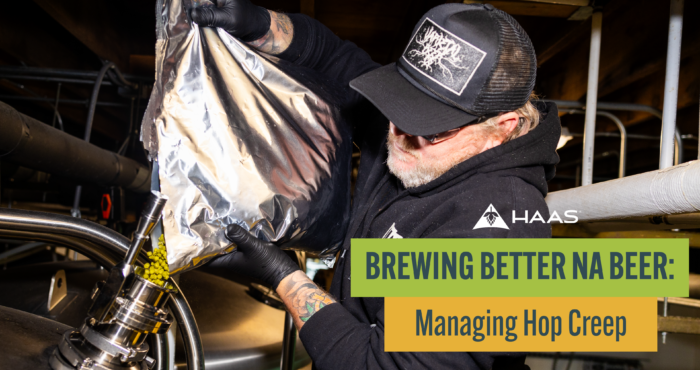
In non-alcoholic (NA) brewing, even a small amount of unwanted fermentation can push a beer outside its intended alcohol specification. That makes hop creep an important consideration when developing flavorful, hop-forward NA beers.
Hop creep occurs when enzymes in the green plant material present in hop pellets break down complex carbohydrates that would otherwise contribute to body into simpler, fermentable sugars. Brewing yeast can then consume those sugars, producing additional alcohol and carbonation, which could alter the beer’s intended profile or even make it ineligible to be designated as a non-alcoholic beer in some municipalities. While dry hopping is an important tool for building hop character, using traditional hop pellets can introduce plant material that may kickstart this process.
Fortunately, brewers have alternatives. Vegetation-free hop products such as Prysma® and Spectrum® can help disperse hop oils into beer without the risk of hop creep. These products allow brewers to develop hop flavor and aroma while avoiding the risk associated with conventional dry-hop material.
Both products can also contribute mouthfeel-enhancing polyphenols, giving brewers additional flexibility to build a more complete sensory experience without relying exclusively on traditional dry hopping.
For NA brewers, choosing the right hop format can help reduce process complications while maintaining greater control over fermentation and the finished beer’s intended characteristics.
Learn more about Haas’ non-alcoholic brewing solutions here.
This post is part of a series about NA brewing. Read more on our blog.


